
Generation and Characterization of a New Angelman Syndrome Mouse Model that Recapitulates the Large Deletion of Human 15q11-q13 and a Control Line that Carries a Deletion of all Genes in 15q11-q13 but UBE3A
A FAST-TRAC Award
About the Grant
This grant was funded to create and characterize a novel ~6MB full deletion Angelman syndrome mouse model, which is representative of the largest population of individuals living with AS (>70%). This work will contribute to the understanding of the other genes impacted, outside of UBE3A, by the large deletion genotype. As we near a therapeutic aimed at restoring UBE3A into neurons in humans living with Angelman syndrome (AS), our understanding of the role these additional genes play in the symptoms of deletion individuals is critical.
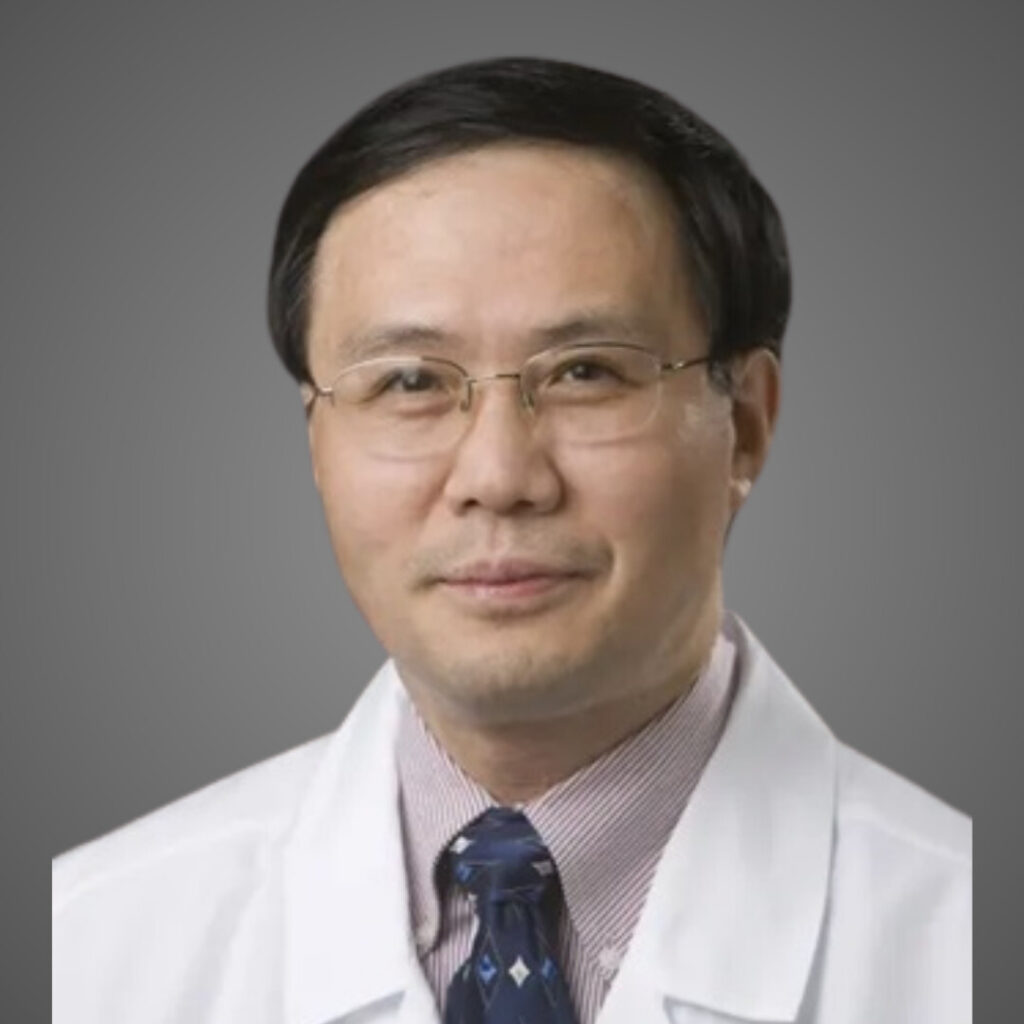
The Principal Investigator, Yong-Hui Jiang, MD, PhD
Dr. Yong-Hui Jiang is the Dorys McConnell Duberg Endowed Professor and Vice Chair of the Department of Genetics, Professor of Genetics, Neuroscience, Pediatrics, Ob/GYN, and Reproductive Science at the Yale School of Medicine. He also serves as Chief of Medical Genetics at Yale New Haven Hospital. Dr. Jiang is a physician-scientist and actively practicing clinician in the United States. He earned his MD with highest honors from Shanghai Medical College of Fudan University and his PhD in Human and Molecular Genetics from Baylor College of Medicine. He completed his pediatric residency and fellowships in clinical genetics and medical biochemical genetics at Texas Children’s Hospital and Baylor College of Medicine. Dr. Jiang is the Director of the Yale National Organization for Rare Disorders (NORD) Center of Excellence. He leads several NIH-supported large consortium projects, including serving as Principal Investigator for the Yale Diagnostic Center of Excellence for Undiagnosed Diseases, Genomic predictor of recurrent pregnancy loss, and as contact Principal Investigator for the NIH Somatic Genome Editing Consortium UG3/UH3 project, which focuses on developing CRISPR gene-editing therapies for neurogenetic conditions.